June 2, 2026
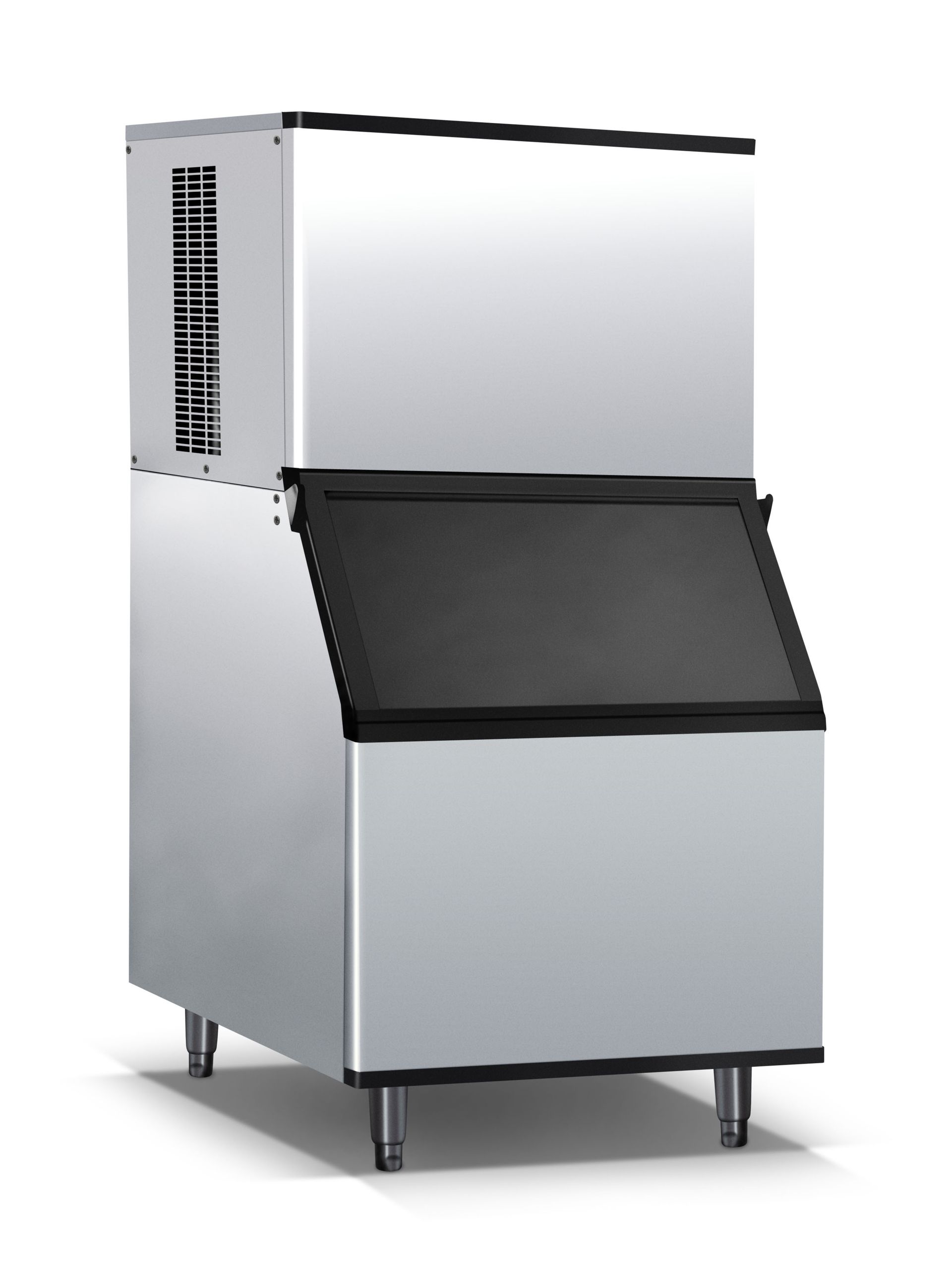
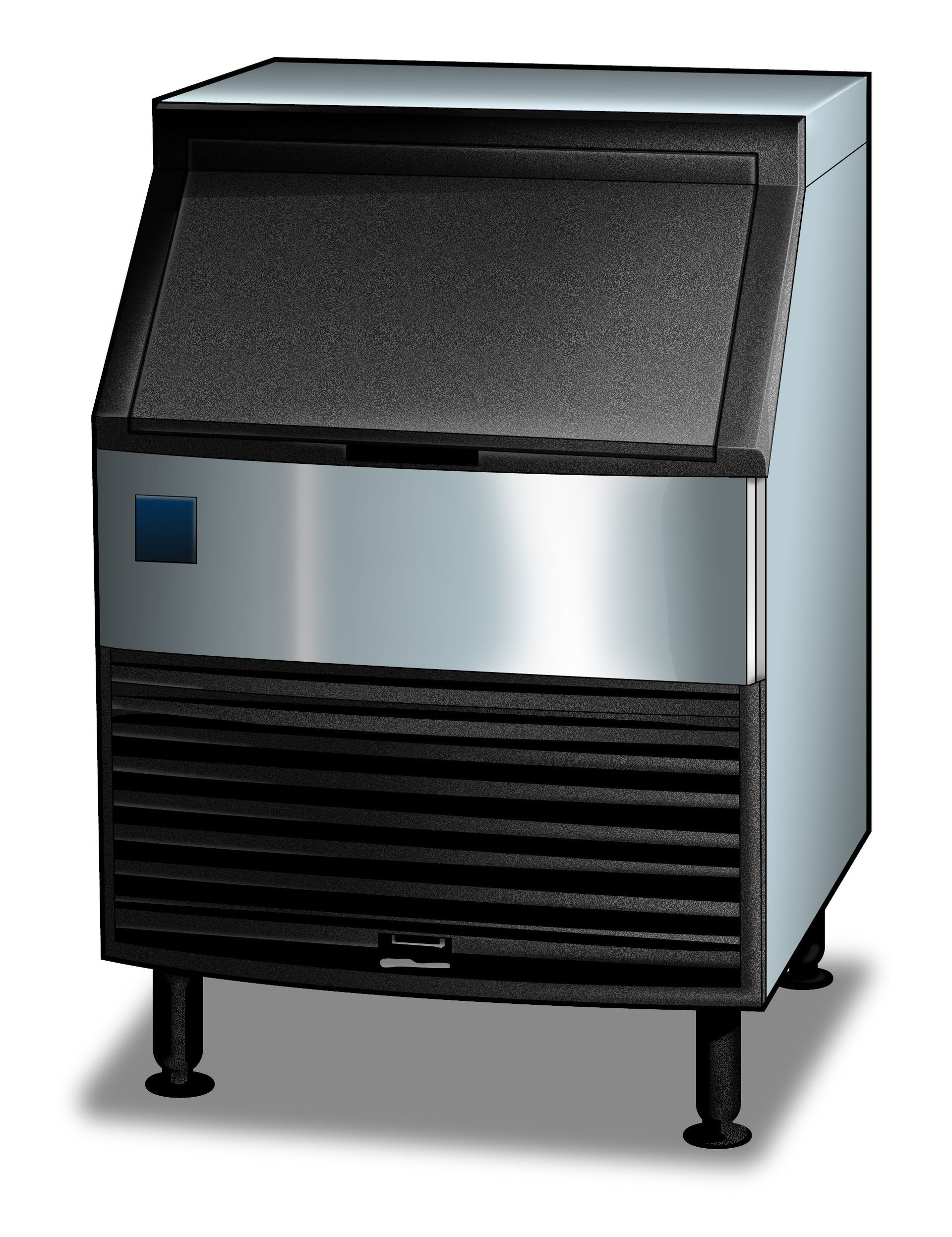
Running a successful commercial establishment requires keeping a massive array of utility systems, culinary appliances, and sanitation equipment operating at peak efficiency. In food service, hospitality, and medical environments, one of the most vital yet frequently neglected workhorses is the refrigeration equipment responsible for generating clean ice. Whether cooling drinks for restaurant patrons, preserving fresh seafood displays, or providing therapeutic relief, a consistent supply of clean ice is essential for daily operations. Because these units run automatically, most managers do not dedicate much thought to their internal mechanics until a sudden failure halts production. When this critical utility malfunctions, it can bring your daily workflow to an immediate standstill, creating immediate logistical headaches. Recognizing the early indicators of mechanical decline allows you to address issues proactively, protecting your assets and preventing expensive emergency bills.
The necessity of a reliable cooling system extends far beyond customer comfort, serving as a critical operational pillar in several professional sectors where hygiene is paramount. In institutional settings, consistent ice delivery is a matter of safety and therapeutic care. According to Credence Research, up to 30% of hospitals depend on daily ice production. This significant percentage highlights how deeply modern healthcare and service industries rely on these automated units to perform daily functions without interruption. When a commercial ice machine begins to decline, the signs are often subtle at first, manifesting as minor changes in cycle times or unusual sounds. Ignoring these early warning signals can lead to severe mechanical damage, high utility bills, and potentially hazardous sanitary conditions. Partnering with a professional service team ensures that your system receives the precise maintenance required to maintain clean, safe operations throughout the year.
1. Decreased Ice Production
The most immediate indicator that your utility unit is struggling is a noticeable reduction in the volume of ice produced during a standard shift. Under normal conditions, a healthy commercial ice machine maintains a consistent cycle, dropping a specific quantity of cubes into the storage bin at regular intervals. If you notice that the bin is consistently half-empty during peak business hours, the system is likely suffering from an underlying mechanical or thermal restriction. This sluggish output is frequently caused by a severely clogged water filter, which limits the flow of clean water into the freeze plate and slows down the entire cycle. Alternatively, dirty condenser coils can prevent the system from releasing heat efficiently, forcing the compressor to run longer and hotter to produce a single batch. Addressing this drop in capacity early prevents the system from overheating and protects the compressor motor from premature burnout.
2. Unusual Mechanical Noises
While every commercial ice machine produces a consistent, low hum during its operational cycles, a struggling unit will often begin to emit highly distinct and alarming sounds. If you hear loud squealing, metallic grinding, deep rattling, or persistent clicking coming from your cabinet, the internal components are experiencing severe physical friction. Squealing sounds often point to a failing water pump motor or a worn-out fan blade assembly that is struggling to circulate air across the hot coils. Grinding noises, on the other hand, can indicate that the compressor is suffering from internal mechanical damage or a lack of proper lubrication. Furthermore, heavy scale buildup on the evaporator plate can cause the harvest mechanism to struggle, creating loud thumping noises as the machine tries to release the ice sheet. Investigating these unusual noises immediately allows you to replace inexpensive components before they fail completely and seize the entire mechanical assembly.
3. Strange Cube Shapes
The physical appearance of the ice produced by your machine is a direct reflection of its internal water flow, temperature calibration, and overall structural health. When you open the storage bin, the cubes should look uniform, solid, and fully formed according to the manufacturer's design specifications. If you discover that the ice is unusually thin, hollow, misshapen, or clumped together in massive, solid blocks, the freeze cycle is being severely disrupted. Hollow or undersized cubes are typically the result of low water pressure, clogged distribution tubes, or a faulty float valve that prevents the reservoir from filling completely. Conversely, oversized or clumped ice suggests that the harvest timer is malfunctioning, allowing the ice to freeze for too long until it fuses into a single, unmanageable mass. Monitoring these physical changes in your product allows you to identify water delivery issues before they cause physical damage to the evaporator plates.
4. Discolored Water Output
Maintaining the highest standards of sanitation is a non-negotiable requirement for any public-facing business, particularly when serving items intended for human consumption. If the ice dropped into your storage bin looks cloudy, grey, yellow, or contains tiny dark specks, you are facing a severe water quality and sanitation hazard. Cloudy ice is often caused by a heavy concentration of dissolved minerals and sediment in the incoming water supply, which occurs when filtration systems are neglected. More alarmingly, yellow or dark discoloration suggests the active growth of bacterial slime, mold, or algae inside the dark, damp interior of the machine. This biological contamination presents a severe health risk to your customers and can lead to immediate violations during local health department inspections. Regular physical cleanings are necessary to eliminate these contaminants, ensuring that your commercial ice machine produces only pure, sparkling, and completely safe ice for your patrons.
5. Internal Water Leaks
Finding standing water or active dripping around the base of your refrigeration cabinet is a critical warning sign that should never be ignored by facility managers. Water leaks can originate from multiple points within the system, ranging from simple loose connections to severe structural breaches. A clogged drain line is a common culprit, as mineral scale, algae, and mold can build up inside the narrow PVC pipes, forcing wastewater to back up and overflow the condensation pan. Leaks can also occur if the water inlet valve is cracked, or if the internal water lines have deteriorated due to age and temperature stress. Beyond the immediate threat of structural water damage to your flooring and adjacent cabinetry, pooling water creates a dangerous slip-and-fall hazard for your employees. Pinpointing and resolving these leaks early protects your physical property and ensures that your unit maintains a secure, dry, and sanitary operating environment.
6. Continuous Temperature Fluctuations
To generate ice efficiently and preserve it safely inside the holding bin, your system must maintain highly precise internal temperature zones. If the surrounding room is too warm, or if the unit’s internal thermostat is miscalibrated, the machine will struggle to complete its freezing cycles within the designated timeframe. You may notice that the machine runs continuously without ever dropping ice, or that the ice already in the storage bin is melting rapidly and draining away. This poor thermal control is often caused by dirty condenser coils that restrict airflow, a failing condenser fan, or low refrigerant levels due to a slow, undetected chemical leak. When the system cannot shed heat, the internal temperature rises, forcing the mechanical components to run constantly and driving your monthly utility bills to unprecedented heights. Correcting these temperature variances promptly preserves the operational integrity of your commercial ice machine, keeping your energy bills low and your ice supply stable.
At Tennessee Valley Ice Company, we are dedicated to keeping your operations running smoothly by providing the expert diagnostic and maintenance services your cooling equipment requires. We understand that a reliable
commercial ice machine is essential for your daily business success, and our team is always ready to deliver precise, high-quality repairs that protect your investment. Contact our office today to schedule your system assessment and let us ensure your business remains perfectly supplied with clean, fresh ice.