November 25, 2026
Commercial ice machines work tirelessly behind the scenes in restaurants, hotels, convenience stores, and healthcare facilities, where a steady supply of clean, sanitary ice is essential to daily operations. Because these units operate continuously in warm, humid environments while constantly cycling tap water, they face relentless exposure to mineral scale, airborne yeast, dust, and sediment. Without consistent care, clogged water filters and dirty heat-transfer surfaces quickly strain internal refrigeration and water distribution components. Adopting a disciplined routine of scheduled cleanings and timely filter replacements keeps equipment running at peak efficiency, protects ice quality, and prevents unexpected breakdowns before they disrupt your business.
Understanding Core Ice Machine Components
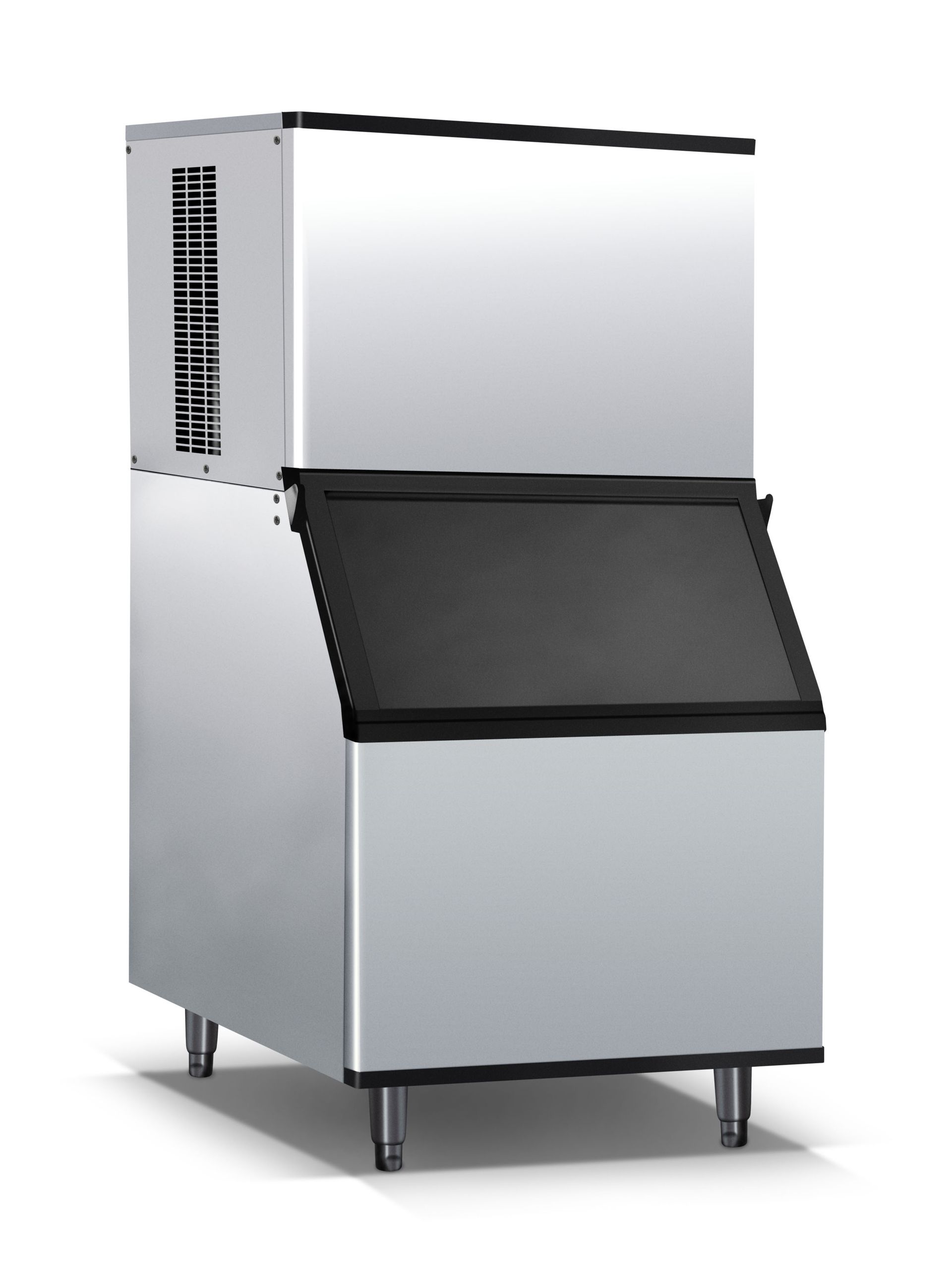
Modern commercial ice makers rely on a tightly coordinated refrigeration system, water distribution circuit, and harvesting mechanism to freeze and release clear cubes efficiently. During each cycle, a water pump circulates chilled water across a sub-freezing evaporator plate while the compressor and condenser fan reject heat from the cabinet. When every component stays clean and properly calibrated, the unit maximizes daily poundage output while keeping electricity and water consumption low. Neglecting routine upkeep forces compressors, fan motors, and water pumps to run longer and hotter, accelerating mechanical wear and driving up the frequency of costly ice machine repair calls.
Following Manufacturer Maintenance Guidelines
Equipment manufacturers publish detailed maintenance schedules specifying approved descaling agents, sanitizing intervals, and operational checks tailored to each model's metallurgical finishes. Adhering strictly to these instructions protects sensitive nickel- or tin-plated evaporator plates from chemical pitting and corrosion while preserving active factory warranties. Skipping required maintenance intervals often voids manufacturer coverage when a compressor or water valve fails prematurely. According to Credence Research, up to 30% of hospitals rely on a consistent supply of ice, underscoring why following manufacturer guidelines is vital for uninterrupted operation in critical environments where equipment downtime is never an option.
Conducting Routine Visual Inspections
Frequent visual checks allow kitchen and facility staff to catch minor water leaks, loose electrical connections, unusual vibrations, or sluggish freeze cycles long before major failures occur. Checking door gaskets for tight seals, inspecting drain lines for slow drainage, and verifying bin thermostat shutoff switches take only a few minutes each week. Keeping a written maintenance log tracks recurring performance patterns, verifies warranty compliance, and helps service technicians diagnose developing issues rapidly. Proactive inspections turn equipment care into a predictable operational habit rather than an emergency scramble for urgent ice machine repair during peak weekend or holiday service hours.
Preventing Scale And Debris Buildup
Mineral deposits from hard tap water and slimy organic biofilm from airborne yeast, flour, or grease steadily coat water troughs, float switches, thickness probes, and evaporator surfaces. Left untreated, calcium and magnesium scale acts like an insulating blanket across heat-transfer metal, dramatically slowing freeze cycles and causing ice slabs to stick stubbornly during harvest. Thick scale also jams mechanical float valves and coats water level sensors, triggering overflow errors or dry-pump damage. Regular deep cleaning strips away these deposits before they jam moving parts or trigger premature ice machine repair on overworked compressors and inlet valves.
Scheduling Deep Cleaning Cycles
Most commercial manufacturers recommend a full descaling and sanitizing cycle at least once every six months, though high-volume kitchens, bakeries, and dusty environments often require quarterly service. An effective deep cleaning begins by powering down the unit, emptying the storage bin completely, and removing removable interior parts such as the water curtain, distribution tube, pump housing, and sump trough. Soaking and scrubbing each component with soft nylon brushes and approved cleaners eliminates hidden slime inside narrow spray holes. Running a manufacturer-approved descaler and food-grade sanitizer through the circulating water circuit, followed by thorough fresh-water rinsing and a discarded test batch, ensures hygienic, crystal-clear ice.
Using Approved Food-Safe Cleaners
Selecting the right descaling and sanitizing chemicals protects both internal equipment longevity and consumer health. Harsh household bleach, vinegar, or unapproved industrial acids can strip protective plating off metal evaporator grids, degrade rubber seals, and leave dangerous chemical residues inside the storage bin. Following exact dilution ratios, contact times, and rinse procedures printed on commercial ice machine cleaner labels removes stubborn mineral buildup safely without causing surface corrosion that later demands professional ice machine repair. Keeping dedicated, clearly labeled cleaning supplies on site also prevents staff from accidentally grabbing general kitchen degreasers during routine wipe-downs.
Recognizing Early Cleaning Warning Signs
Commercial ice machines almost always show subtle warning signs days or weeks before shutting down completely. Cloudy, soft, hollow, or foul-smelling cubes, noticeably smaller batch yields, extended freeze times, warm air blowing from side vents, or rising monthly utility bills all signal restricted water flow or dirty condenser coils. Ignoring these early clues allows minor sanitation or airflow issues to place extreme head pressure on the refrigeration system. Acting immediately when these symptoms appear prevents minor maintenance tasks from snowballing into major mechanical breakdowns and expensive ice machine repair.
Cleaning Air-Cooled Condenser Coils
Alongside internal water-system sanitizing, keeping air-cooled condenser coils free of grease, lint, and dust is essential for reliable heat dissipation. Condenser coils act like a radiator, releasing heat pulled from the freezing water into the surrounding room; when grease and dust blanket the aluminum fins, internal refrigerant pressures climb dangerously high. Gently vacuuming or brushing condenser fins every month and maintaining proper airflow clearance around the cabinet keeps compressor temperatures within safe operating limits. Clean condenser coils lower electricity usage immediately and protect the heart of the refrigeration system from heat-related burnout.
Protecting Water Quality With Filtration
Commercial water filtration systems serve as the first line of defense for both ice flavor and internal machine health. Multi-stage filter cartridges trap abrasive sediment, chlorine taste and odor, and scale-inhibiting polyphosphates before incoming tap water ever reaches the sump or evaporator plate. Removing chlorine also protects stainless steel and plated components from premature pitting, while sediment barriers keep tiny grit particles from wedging inside solenoid inlet valves. Changing filter cartridges on schedule—typically every six months or whenever inlet pressure gauges drop—keeps ice tasting fresh while minimizing the mineral buildup that leads to frequent ice machine repair.
Avoiding Clogged Filter Strain
Allowing a water filter cartridge to run well past its rated gallon capacity chokes incoming water pressure and starves the ice-making cycle. Low water flow leads to thin, hollow, or incomplete cubes, extended compressor run times, and overheated water inlet valves struggling to fill the sump trough. In severe cases, blocked filters cause low-water safety sensors to lock out the machine entirely during busy rushes. Replacing clogged cartridges promptly restores normal flow rates, lowers energy consumption, and extends the operating lifespan of the entire refrigeration system.
Sanitizing Ice Storage Bins And Scoops
Maintaining a spotless ice machine also requires regular attention to the storage bin, door gaskets, and handling tools where freshly harvested ice sits before service. Even when the upper freezing head is spotless, bacteria and mold can develop inside damp bin corners or along worn door hinges if left uncleaned. Washing and sanitizing bin interiors monthly, wiping down exterior stainless panels, and storing dedicated ice scoops in clean, wall-mounted holders outside the bin prevent cross-contamination.
Consistent cleaning, proper chemical sanitizing, condenser care, and scheduled filter changes work together to keep commercial ice makers dependable, hygienic, and energy-efficient year-round. Investing a small amount of scheduled maintenance time saves thousands of dollars in emergency service calls, bagged-ice purchases, spoiled inventory, and frustrated customers. To keep your equipment running smoothly with expert preventive maintenance and dependable service, contact Tennessee Valley Ice Company today to schedule your appointment.